
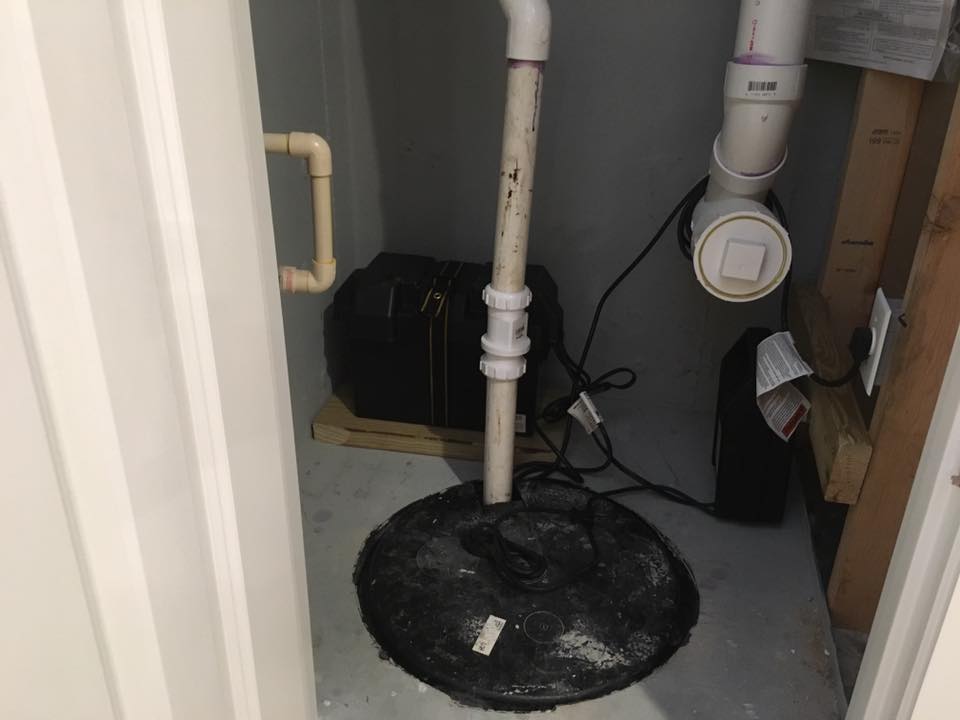
For homeowners in Watertown, Oakville, and across Litchfield County, the well pump is the heart of the home. It’s responsible for every shower you take, every load of laundry, and every glass of water. Because it stays out of sight, it’s often out of mind—until the water stops running.
If you’re wondering how much life is left in your system, or if you’re facing a sudden “no water” emergency, here is what you need to know about well pump lifespans and replacement costs.
What is the Average Lifespan of a Well Pump?
On average, a standard submersible well pump lasts between 10 and 15 years. However, we have seen high-quality units last 20 years, while others fail in under a decade.
The lifespan depends on several factors:
- Duty Cycle: A pump that services a large family or an irrigation system runs more often, leading to faster wear and tear.
- Water Quality: High sediment or sand content can act like sandpaper on the pump’s internal components.
- The Pressure Tank: If your well pressure tank is waterlogged or failing, it causes the pump to “short cycle” (turn on and off too rapidly). This is the #1 killer of well pumps.
3 Signs Your Well Pump is Failing
You don’t always have to wait for the water to stop to know there is a problem. Watch for these red flags:
- Fluctuating Water Pressure: If your shower pressure feels like a roller coaster, your pump is struggling.
- Spitting Faucets: This often indicates air in the system, potentially from a leak in the drop pipe or a failing pump.
- High Electric Bills: A pump that is struggling to reach “cut-out” pressure will run constantly, spiking your power bill.
The Real Cost of Well Pump Replacement in CT
We believe in a fair and honest approach. In Connecticut, the cost of a well pump replacement typically ranges from $1,500 to $3,000+.
Why the price range?
- Depth of the Well: A pump sitting 300 feet deep requires more labor and specialized equipment to pull than one at 100 feet.
- Horsepower (HP): Larger homes require higher HP pumps to move water effectively.
- Wiring & Pipe: Often, when a pump fails, the underlying wires or the “drop pipe” have also corroded and should be replaced to prevent a second service call a month later.
Proactive Maintenance Saves Money
The best way to avoid a $2,000 surprise is regular plumbing and well maintenance. Checking your pressure tank’s air charge once a year can add years to your pump’s life.
At L&P Plumbing & Well Service, we are owner-operated. When you call us, you get expert advice directly from the pros who will be doing the work.