
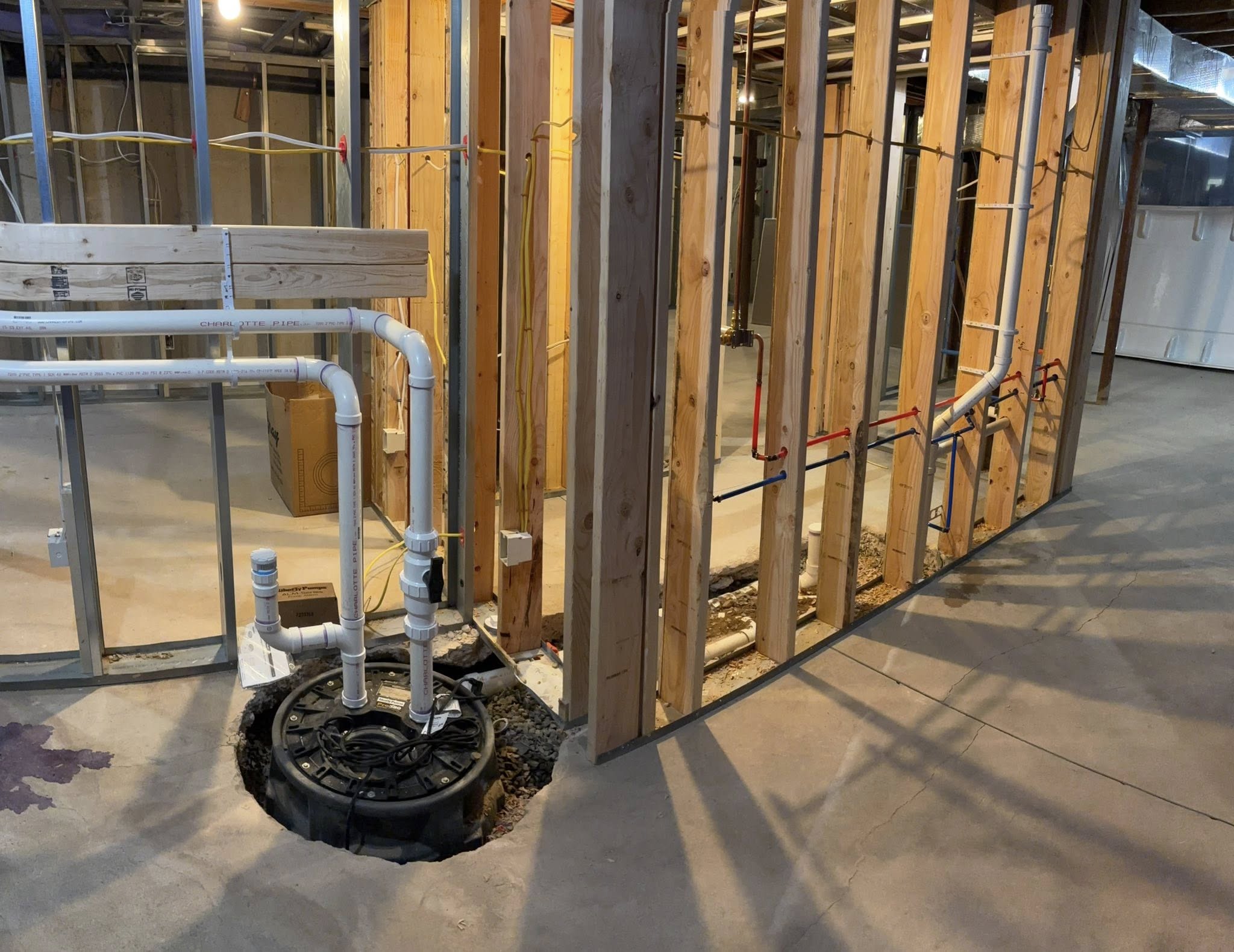
In Watertown, Connecticut, your home’s water source depends largely on where you live. Whether you are nestled near the Town Green on municipal lines or out toward the rolling hills of Litchfield County with a private well, each system comes with its own set of responsibilities, costs, and maintenance requirements.
At L&P Plumbing & Well Service, we’ve spent over 35 years servicing both systems. We know that while “water is water,” the way you treat it, heat it, and protect your pipes varies wildly depending on its origin.
Here is the breakdown of the pros, cons, and essential maintenance for city water vs. well water in Watertown.
1. City Water: Convenience with a Monthly Bill
If your home is connected to the Watertown Water and Sewer Authority (WSA), you are part of a managed utility.
- The Pros: You don’t have to worry about a pump failing or a power outage cutting off your water supply. The municipality is responsible for large-scale filtration and meeting EPA safety standards.
- The Challenges: You have a monthly utility bill, and you have little control over the chemical additives used for treatment, such as chlorine or fluoride.
- Key Maintenance: Watertown has many beautiful historic homes. If you live in an older property, you should be aware of outdated piping and fixtures that may contain lead or galvanized steel, which can affect water quality even if the city’s source is clean.
2. Well Water: Total Control and “Hidden” Costs
For many in the more rural parts of Watertown and Woodbury, a private well is the only option.
- The Pros: No monthly water bill! You are your own utility company, and many homeowners prefer the natural taste of groundwater over chemically treated city water.
- The Challenges: If the power goes out, your water stops (unless you have a generator). You are also responsible for the mechanical health of your well pump and the safety of the water itself.
- Key Maintenance: In Litchfield County, we deal with high levels of “hard water” (calcium and magnesium) and iron. Without proper well water filtration, these minerals will cause scale buildup in your water heater and orange staining in your sinks.
The “Hard Truth” About Watertown Water
Regardless of your source, Connecticut is notorious for hard water.
On city water, hardness is often managed but rarely eliminated. On well water, it is almost a guarantee. Hard water acts like “cholesterol” for your plumbing—narrowing the diameter of your pipes over time and drastically shortening the life of your dishwasher and washing machine.
Whether you are on city or well lines, we highly recommend a professional water hardness test to determine if a water softener is necessary to protect your home’s infrastructure.
Equipment Comparison: What Are You Responsible For?
| Feature | City Water | Well Water |
| Pressure | Managed by the City | Managed by your Pressure Tank |
| Pumping | City Infrastructure | Your Submersible Well Pump |
| Filtration | Chlorine/Fluoride Added | Custom Filtration Systems Needed |
| Power Outages | Water usually stays on | No water without a generator |
| Testing | Done by the Utility | Homeowner’s responsibility |
Why Local Expertise Matters
Installing a filtration system or replacing a well pump isn’t a “one size fits all” job. It requires a deep understanding of Watertown’s specific geology and water chemistry.
As an owner-operated business, Sean and Jerry at L&P Plumbing & Well Service bring decades of local expertise to every job. We don’t just fix the leak; we look at the chemistry of your water to ensure your water heater and appliances last for years to come.
Ready for a Water Quality Assessment?
Whether you’re dealing with low pressure on city lines or a “rotten egg” smell from your well, we can help.
Contact L&P Plumbing & Well Service today or call us at (860) 590-9694 to schedule an inspection. Let’s make sure the water in your Watertown home is clear, safe, and reliable.