
There is nothing quite as stressful as a burst pipe or a leaking water heater at 2:00 AM. When water starts flooding your floors, every second counts. Do you know where your main water shut-off valve is? If the answer is “no,” you aren’t alone-but you are at risk of major property damage.
At L&P Plumbing & Well Service, we have seen the damage a simple uncontrolled leak can cause. Knowing how to isolate your home’s water supply is the single most important skill every Connecticut homeowner should have.
1. Why You Need to Know the Location NOW
When a pipe fails, you shouldn’t be searching through kitchen drawers for a flashlight or scouring the basement. Finding the main shut-off valve quickly is the difference between a small repair and thousands of dollars in water damage, ruined drywall, and warped flooring.
2. Where to Look: Common Locations in CT Homes
Water shut-off valves in our region are typically found in a few specific spots. Start your search here:
- The Basement: In most homes with a basement, the main water line enters through the foundation wall at the front of the house. Look for a valve on the pipe that comes out of the concrete.
- Near the Water Meter: If your home is metered, the shut-off valve is almost always located immediately before or after the meter.
- Utility Room: If you don’t have a basement, check near your water heater or furnace.
- Crawl Space: If your home is on a slab, the valve might be located in a utility closet or near the perimeter of the house where the main line enters.
3. Identifying Your Valve Type
Not all valves operate the same way. You’ll likely find one of these two:
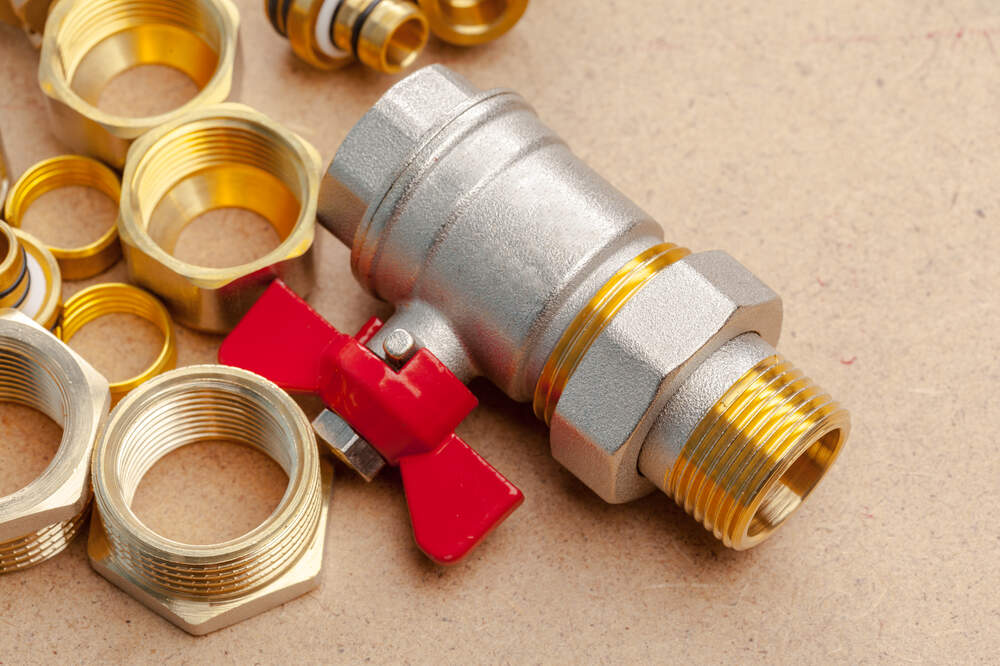
- Ball Valve: These have a single lever handle. When the handle is parallel to the pipe, the water is ON. When it is turned 90 degrees (perpendicular) to the pipe, the water is OFF. These are the most common and easiest to operate.
- Gate Valve: These have a round, wheel-style handle. You must turn the wheel clockwise multiple times to shut the water off completely.
4. Pro-Tips for Maintaining Your Shut-Off Valve
A valve that hasn’t been touched in 10 years might be “frozen” or seized due to mineral buildup-especially if you have hard water issues common in our area.
- Exercise the Valve: Once or twice a year, turn your valve off and back on again to ensure it moves smoothly.
- Label It: If your basement is cluttered, attach a bright, reflective tag to the valve so you can find it instantly in the dark.
- Don’t Force It: If the valve won’t budge, do not force it with a wrench, as you risk snapping the pipe. Call a professional plumbing service to replace it with a modern ball valve.
Need Help with Your Home’s Plumbing Infrastructure?
If you have discovered a corroded valve, found a leak, or are unsure if your home’s main shut-off is functioning correctly, don’t wait for a flood to find out. The experts at L&P Plumbing & Well Service are here to help with everything from emergency leak detection to water heater maintenance.
Is your plumbing ready for the unexpected? Contact L&P Plumbing & Well Service today or call us to ensure your home is protected!