
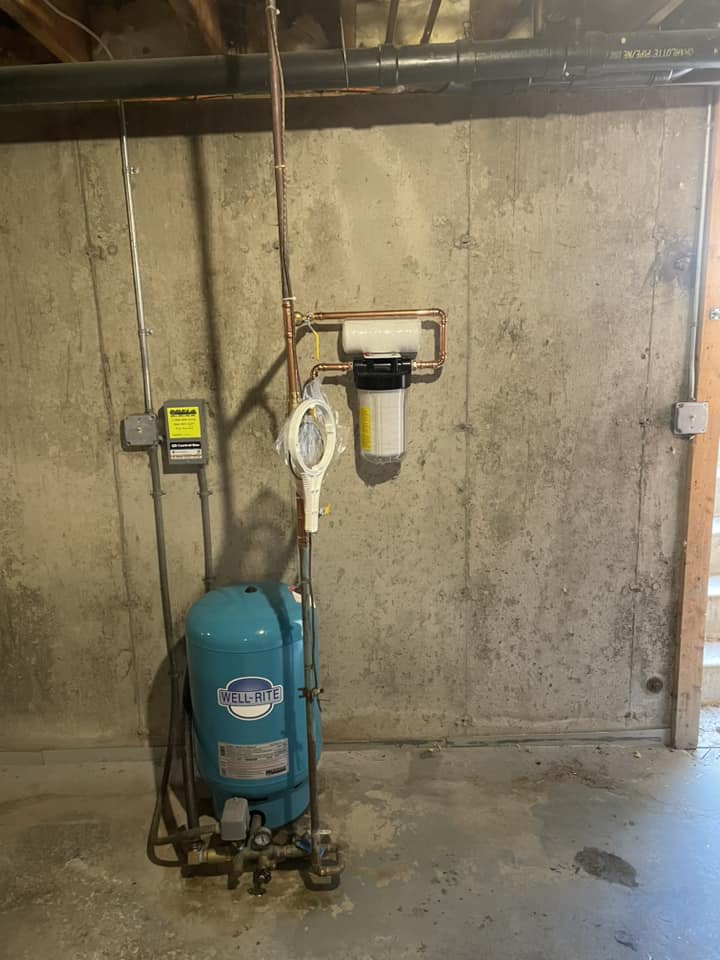
In Litchfield County, heavy seasonal rains and flash flooding can turn a reliable water source into a health hazard overnight. If floodwaters have risen above your well cap, there is a significant risk that bacteria, silt, and surface contaminants have entered your drinking water.
At L&P Plumbing & Well Service, we have over 35 years of experience managing well water systems in Watertown, Torrington, and Bethlehem. If your well has been submerged, do not drink the water until it has been properly treated. Here is the professional process for sanitizing your well and restoring your home’s water safety.
1. Initial Safety Check (Power First)
Before you even touch the well, ensure the area is safe.
- Electrical Hazards: If the area around your well water pump is still wet, do not turn the power back on. Submerged electrical components can cause shocks or fire.
- Visual Inspection: Look for cracks in the casing or a shifted well cap. If the structural integrity is compromised, “shocking” the well won’t be enough—you’ll need a professional well water service to inspect the unit.
2. The “Shock” Treatment Process
Sanitizing a well typically involves a process called “shock chlorination.” This introduces a high concentration of chlorine to kill bacteria like E. coli.
- Calculate the Mixture: The amount of bleach needed depends on the depth and diameter of your well. Using too much can damage your well water tank and plumbing.
- Circulation: After pouring the solution into the well, you must circulate the water by running a garden hose back into the well casing until you smell chlorine. Then, turn on every faucet in the house until the smell reaches each tap.
3. The Waiting Game
Once the chlorine is in the system, the water must sit in the pipes and the well for at least 12 to 24 hours. Do not use the water for drinking, bathing, or laundry during this time.
4. Flushing the System
After the waiting period, you must flush the chlorine out.
- Outdoor First: Run a hose to a safe drainage area (away from your septic field) until the chlorine smell is gone.
- Indoor Taps: Run the indoor cold and hot water taps until the water is clear and odorless.
5. Professional Testing is Non-Negotiable
Flushing the chlorine doesn’t automatically mean the water is safe. You must have your water tested by a state-certified lab to ensure all coliform bacteria have been eliminated.
If your water continues to show signs of contamination, or if you frequently deal with runoff issues, it may be time to install a permanent well water filtration or UV purification system to protect your family year-round.
Don’t Risk Your Family’s Health
Sanitizing a well is a technical process that requires precision. If the steps aren’t followed exactly, bacteria can remain trapped in the pump or pressure tank. With over three decades of local experience, L&P Plumbing & Well Service is here to handle the heavy lifting for you.
Is your water safe? Contact L&P Plumbing & Well Service today or call us at (860) 274-8888 for professional well sanitization, water testing, and emergency repairs in the Watertown and Torrington area.