Most homeowners don’t think about their plumbing system until something goes wrong. But understanding how your home’s plumbing works—and where it commonly fails—can help you prevent costly repairs, water damage, and emergency plumbing service calls.
This guide breaks down the basics of a residential plumbing system, explains the most common plumbing failure points, and shows when it’s time to call a professional plumber.
The Basics: How a Residential Plumbing System Works
Your home’s plumbing system has two primary functions:
- Deliver clean water to fixtures and appliances
- Remove wastewater safely from the home
To do this, it relies on three interconnected systems:
- Water supply system
- Drainage and sewer system
- Vent system
Each part must work together—when one fails, problems spread quickly.
The Water Supply System: Bringing Clean Water In
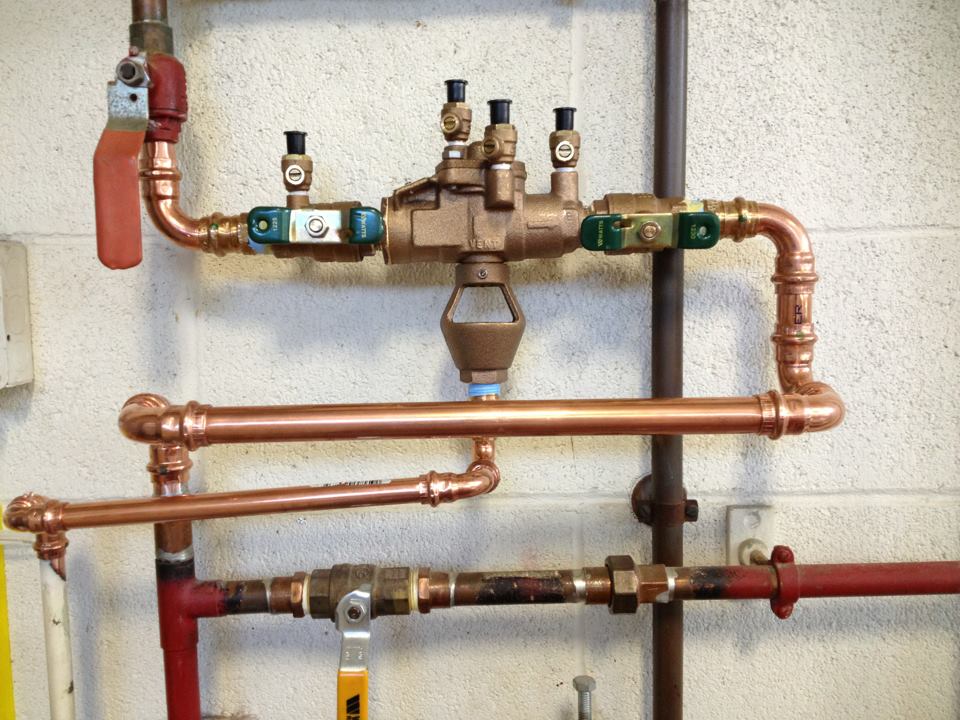
The water supply system delivers pressurized water to sinks, showers, toilets, dishwashers, and washing machines. It typically includes:
- Main water line
- Shut-off valves
- Supply pipes (copper, PEX, or PVC)
Common Water Supply Failures
- Leaking or corroded pipes
- Faulty shut-off valves
- Low water pressure from mineral buildup or aging lines
The Drainage System: Moving Wastewater Out
Your drainage system removes wastewater through gravity—not pressure—using a network of drainpipes connected to the sewer or septic system.
Common Drainage System Failures
- Clogged drains from grease, hair, or debris
- Sagging or cracked pipes
- Tree root intrusion in sewer lines
These issues often start small but can lead to sewage backups and water damage if ignored.
The Vent System: The Most Overlooked Plumbing Component
Plumbing vents allow air into the system so wastewater can flow smoothly. Without proper venting, drains slow down and sewer gases can enter your home.
Signs of Vent System Problems
- Gurgling drains
- Slow drainage throughout the house
- Sewer odors inside the home
Vent issues are often misdiagnosed, which is why professional inspections matter.
Where Plumbing Systems Usually Fail First
1. Aging Pipes
Homes with plumbing over 30–50 years old often experience pipe corrosion, hidden leaks, or sudden failures.
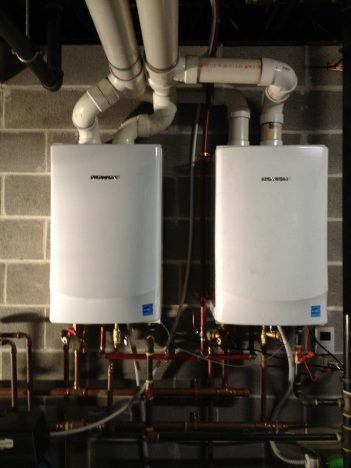
2. Water Heaters
Water heaters work harder than almost any other appliance. Sediment buildup, worn heating elements, and pressure issues are common failure points.
3. Drain Lines and Sewer Connections
Drain lines fail due to buildup, shifting soil, or invasive roots—especially in older homes.
4. Fixtures and Valves
Faucets, toilets, and valves wear out over time, causing leaks that silently waste water and raise utility bills.
Warning Signs Your Plumbing System Needs Professional Attention
Call a plumber if you notice:
- Frequent clogs in multiple drains
- Unexplained increases in water bills
- Water stains or mold growth
- Persistent low water pressure
- Sewage odors
Early detection can prevent emergency plumbing repairs and expensive damage.
How Preventative Maintenance Saves Homeowners Money
Routine plumbing maintenance can:
- Extend pipe and appliance lifespan
- Prevent emergency breakdowns
- Improve water efficiency
- Catch small issues early
Final Thoughts: Knowledge Is Your First Line of Defense
Understanding how your home’s plumbing system works empowers you to spot problems early and make informed decisions. While some issues are visible, many plumbing failures happen behind walls or underground—making professional inspections essential.
If you suspect a plumbing issue or want peace of mind, working with a trusted local plumbing professional can save you time, money, and stress.